
Biotope Environnement SA is the Belgian subsidiary of the Biotope group. Created in 2016, on the initiative of Belgian naturalists, this environmental consultancy is based in Etalle in the Province of Luxembourg, and in Brussels.
Biotope Environnement works with its clients to conserve, manage and enhance biodiversity.
Specialised in the expertise of natural environments, the team benefits from a solid experience in the environmental assessment of all types of land use projects, as well as in the management of protected areas and biodiversity conservation
Biotope Environnement’s team has a perfect command of the French, English and Flemish languages and is therefore able to assist you with your international projects.
As an independent structure, we guarantee our clients complete objectivity in our approach, so as to obtain, on the one hand, a high degree of legal certainty and, on the other hand, the best possible environmental integration.

Focus on the leader
Julien Renglet
Director of Biotope Environment in Belgium and Luxembourg, Julien has 10 years of experience in engineering and is specialised in biodiversity and ecosystem conservation. Julien has also participated in several environmental impact studies to highlight the risks associated with the implementation of several wind farms in the Walloon Region.
He has a very good knowledge of the Walloon regulatory context related to the protection of species and habitats. He is also a forestry expert, member of the National Federation of Forestry Experts. Finally, Julien is fluent in English and conducts international assignments.
He recently assisted the Walloon Region in establishing its biodiversity strategy.
Our references
Loading map...
Our latest news
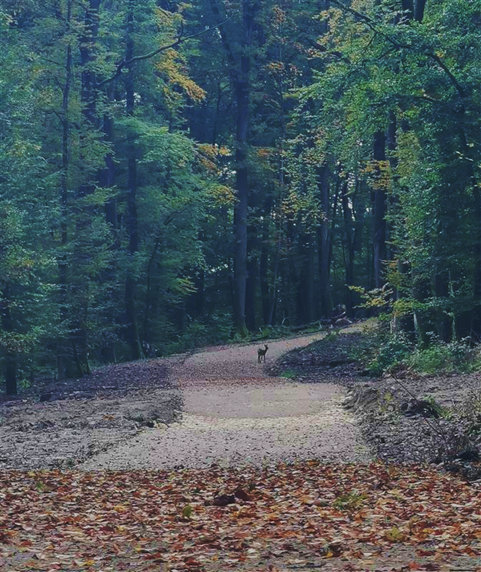
📢 Today, Marie explains the importance of the ‘forest-game balance’🦌 🌱 🌲
As part of its forestry work, ‘Biotope Environnement Luxembourg’ monitors damage caused by game during forest inventories (browsing on seedlings, bark stripping from trunks, uprooting, etc.). Indeed, with a view to sustainable forest management, ensuring the continuity of forest cover over time, particular attention is paid to the regeneration of tree species, which ensures the gradual replacement of old trees felled during logging operations. The gaps created by the removal of older trees allow light to reach the forest floor, which aids the development of forest regeneration. As young saplings grow, they maximise carbon sequestration by storing CO₂ throughout their growth, thereby preserving the ecosystem services provided by our forests and ensuring their renewal. 🌳
But what does this have to do with game, then? 🐗 🦌
want to know more … https://www.biotope-environnement.be/en/news/
March 2026
🌲🌲EU Cap Network !
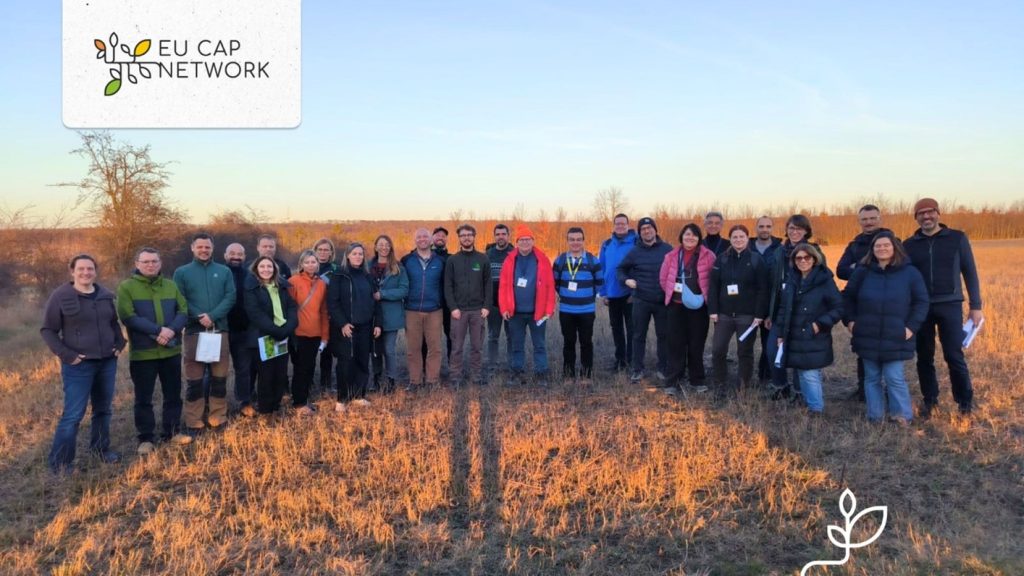
Biotope EnvironnementBiotope Environnement took part in the second expert consultation meeting on forest health, held in Austria on 5 and 6 March. 🌲😊
This meeting provided an opportunity to discuss the future of the ash tree in Europe and the potential role of assisted species migration in strengthening the resilience of our forests in the face of more extreme future climatic conditions. Two field visits helped to illustrate these issues in practice.
As part of this expert consultation, our team is actively involved in drafting a policy brief on adaptive forest management.
Thank you to the EU CAP Network for organising this event 👏
Thank you, Alexandre, for your participation 🙂
For further information on the Focus Group:
https://lnkd.in/dcga5vzW
March 2026
📢 Biotope Environnement in collaboration with

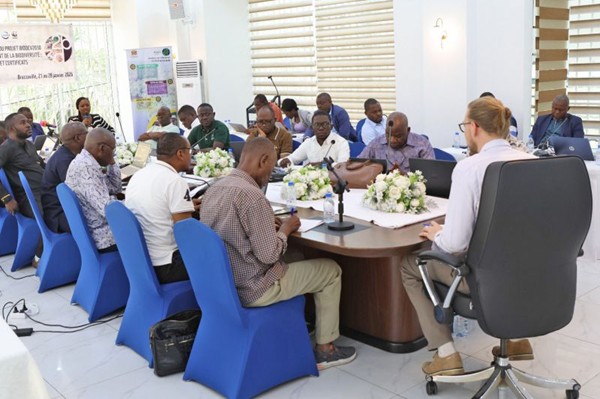
Last January, Biotope Environnement traveled to Kintélé in Congo to take part in the BIODEV2030 project. Our team is delighted to have been able to support government agencies, the private sector, and civil society in capacity building related to innovative biodiversity financing mechanisms (Payments for Environmental Services and Biodiversity Certificates)!
Thank you Arthur and Julien 👏 🙂
January 2026
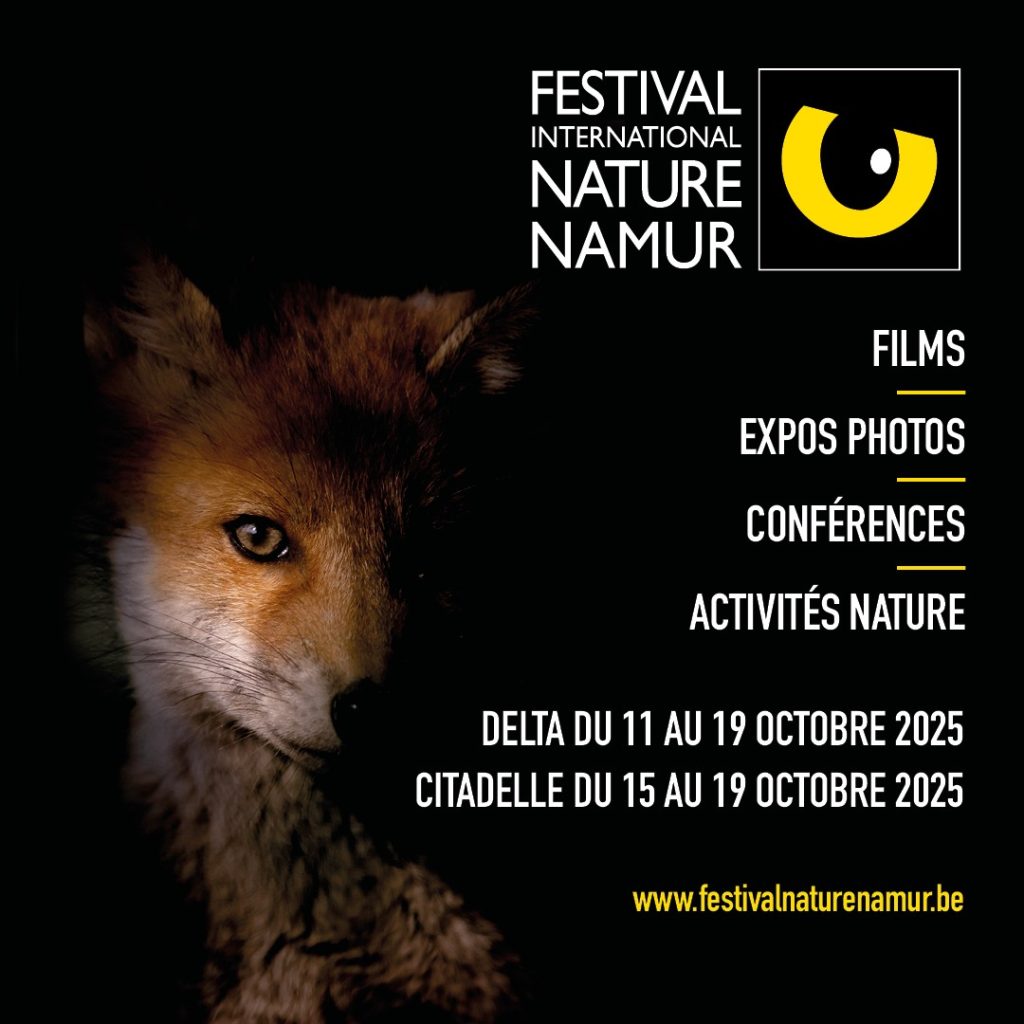
📢Biotope Environnement will be present this year at the International Nature Festival in Namur!
From October 15 to 19, 2025, you can find us in the “Nature Village” in the enchanting setting of the Citadel of Namur.
What’s on the Nature Village program?
Exhibitions, booths, and conferences. A friendly and interactive experience for young and old alike, entirely dedicated to the discovery and protection of nature.
We’ll be sharing a booth with the Public Service of Wallonia (SPW) to present our work on endangered species in Wallonia.
Want to learn more about the sand lizard 🐊, the large copper butterfly 🦋, and the corn bunting 🐤—and try out our new board game about their ecology? Then be sure to stop by!
More info: Le Village Nature | FINN